The CRE Data Deluge

In Commercial Real Estate, data used to be scarce, proprietary, and hard to access. Today, the pendulum has swung in the other direction. We are awash in information: geospatial data, foot traffic data, building sensor data, hyperlocal demographic and persona data, transaction data, crime and employment data, sophisticated predictive models and so much more.
I call this CRE Data Fatigue.
The fatigue isn't just about the sheer volume of data; it's about the burden of educating yourself on the different data while navigating the endless marketing claims. Every new data provider, every new platform, and every new AI-driven metric is pitched as the singular solution that will "unlock alpha" or "de-risk your portfolio."
But if every dataset is the answer, then what exactly is the issue?
The Problem with the Data-First Approach
The trap many individuals and companies fall into is the "Data-First" approach:
- A new dataset arrives (e.g., anonymized mobile device data revealing visitation).
- The team scrambles to find a problem this data could potentially solve.
- Investment is made (often substantial) based on the capability of the data, not the necessity of the insight it provides.
This path leads to siloed data use, the afford anything but not everything conundrum and zero meaningful change in investment or asset management decisions. You end up with a high-tech solution looking for a low-tech problem. The confusion mounts because the utility—the reason for the data—was lost in the data and marketing hype.
Am I saying the data is bad or useless? Absolutely not. But you need to create the right data recipe with the right data ingredients to create actionable insights and de-risk your decisions.
The Antidote: Start with the Question
The solution to Data Fatigue is discipline. It requires flipping the prioritization model and adopting a Question-First framework.
Before evaluating a new data subscription or commissioning a deep-dive analysis, the entire team must align on the precise business question they need to answer. This forces clarity and strategic focus.
The difference between a "Data-First" and a "Question-First" approach is the difference between aimless exploring and targeted hunting.
Question-First Data Selection: Practical Examples
Instead of looking at a stack of available data types and asking, "What can I do with this?", you should ask, "What specific decision am I trying to improve?"
The Vague, Data-First Approach (Ineffective): "We need to integrate foot traffic data."
The Precise, Question-First Approach (Effective): Question: "Which three assets in our retail portfolio are most vulnerable to tenant turnover in the next 18 months, and why?"
Then, and only then should you seek out the data (ingredients) that creates the recipe to answer the question.
Another example:
The Vague, Data-First Approach (Ineffective): "We need better demographic data for our multifamily build."
The Precise, Question-First Approach (Effective):: Question: "Given current zoning and permitting, what rental price point is achievable while maintaining a 95% occupancy rate in this submarket, based on local household income and formation rates?"
Discipline over Deluge
The value of any data, no matter how “big” is zero until it is applied to a defined decision point.
By establishing the core question first, you transform data collection from a speculative cost center into a focused, value-generating process. You bypass the vendor hype and immediately disqualify any solution that doesn't directly address your objective.
In a market defined by uncertainty, the most powerful tool you possess isn't the data itself, it's the clarity to know exactly what you’re looking for. That’s how you overcome Data Fatigue.
IN THE NEWS
Black Friday is becoming just another Friday
"The day that used to define the start of the holiday shopping season has become less relevant as consumer habits have shifted"
The Next Generation of Customer Experience
"How hyper-personalization is changing marketing."
How Data Centers Actually Work
"In this episode of Uncanny Valley, we discuss the economics and environmental impacts of energy-hungry data centers and whether these facilities are sustainable in the age of AI."
U.S. Commercial Real Estate Lending Spikes in Q3
"Lending Rebounds Sharply as Rates Stabilize and Spreads Tighten"
2026 commercial real estate outlook
"The opportunities are real—if you know where to look"
Nostalgic Retail Spotlight:
DRESSBARN
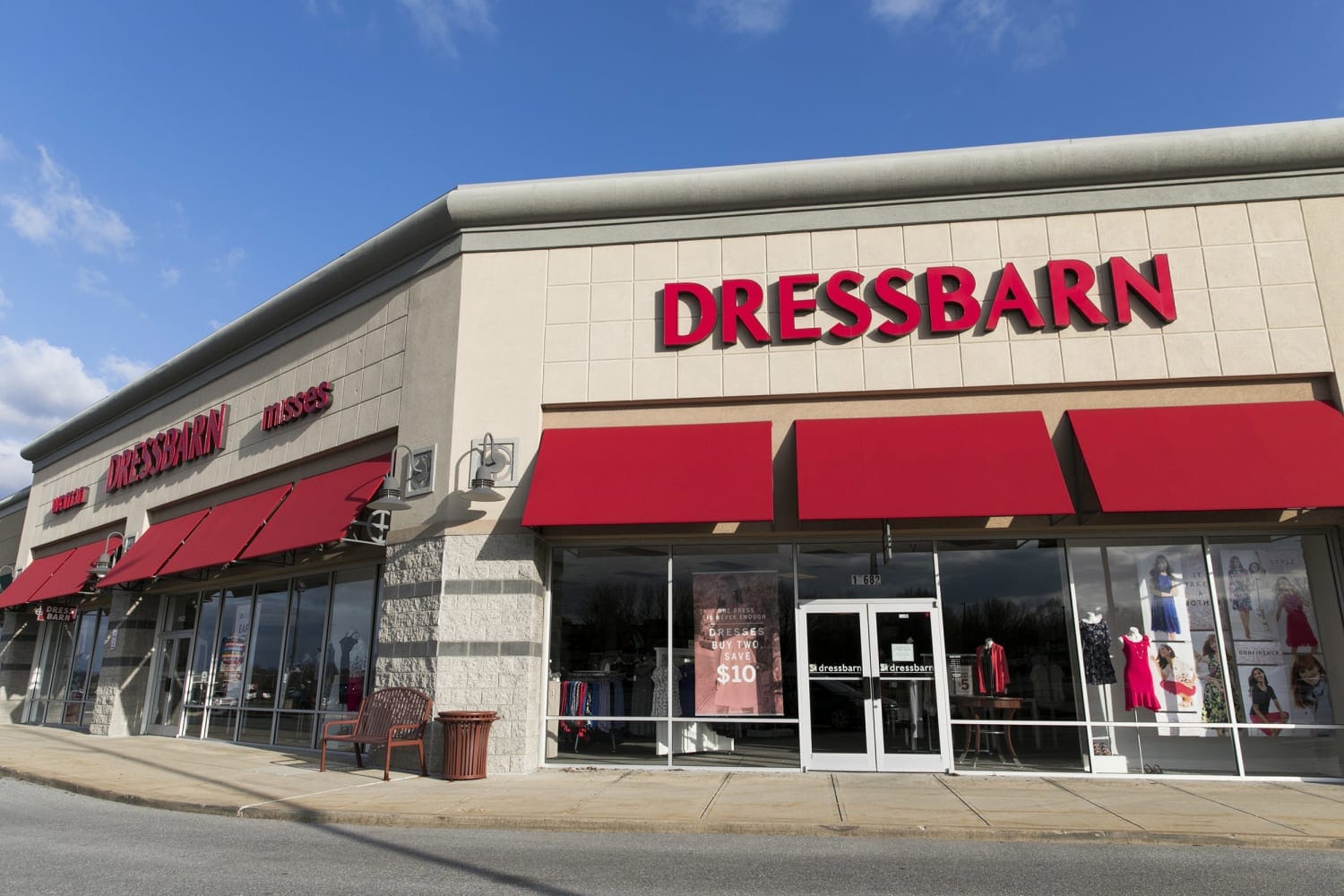
Founded in 1962 (and originally two words: Dress Barn) by Roslyn Jaffe in Stamford, Connecticut, Dressbarn began as a dedicated women’s clothing retailer, quickly expanding across the U.S. and becoming a household name.
Dressbarn went public in 1982, marking its growth on the NASDAQ, and in 2011, it rebranded under Ascena Retail Group to broaden its scope. This is when the retailer's name became Dressbarn.
In 2019, faced with declining sales and changing retail dynamics, Dressbarn made the tough decision to shutter all 650 of its physical stores—shifting focus to an online-only presence under the private equity firm, Retail Ecommerce Ventures (REV).
In late 2023 and 2024, REV was experiencing financial difficulties and was reported to be exploring restructuring options, including bankruptcy. In late 2024, a new company, Omni Retail Enterprises, acquired several of REV's brands, including Pier 1, Stein Mart, and Dressbarn.
The only acknowledgement of having stores in the past can be found on their website FAQs, in the "Under New Management" section