Beyond the Shuttered Storefronts: Opportunities
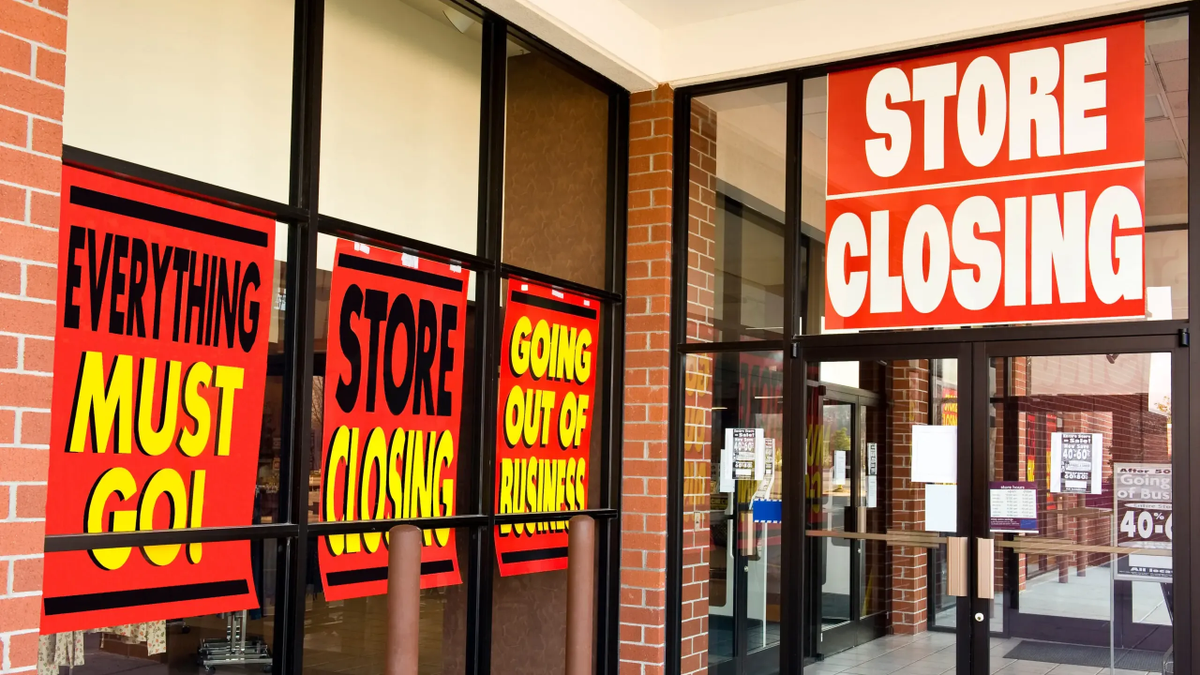
The headlines have been rampant lately....
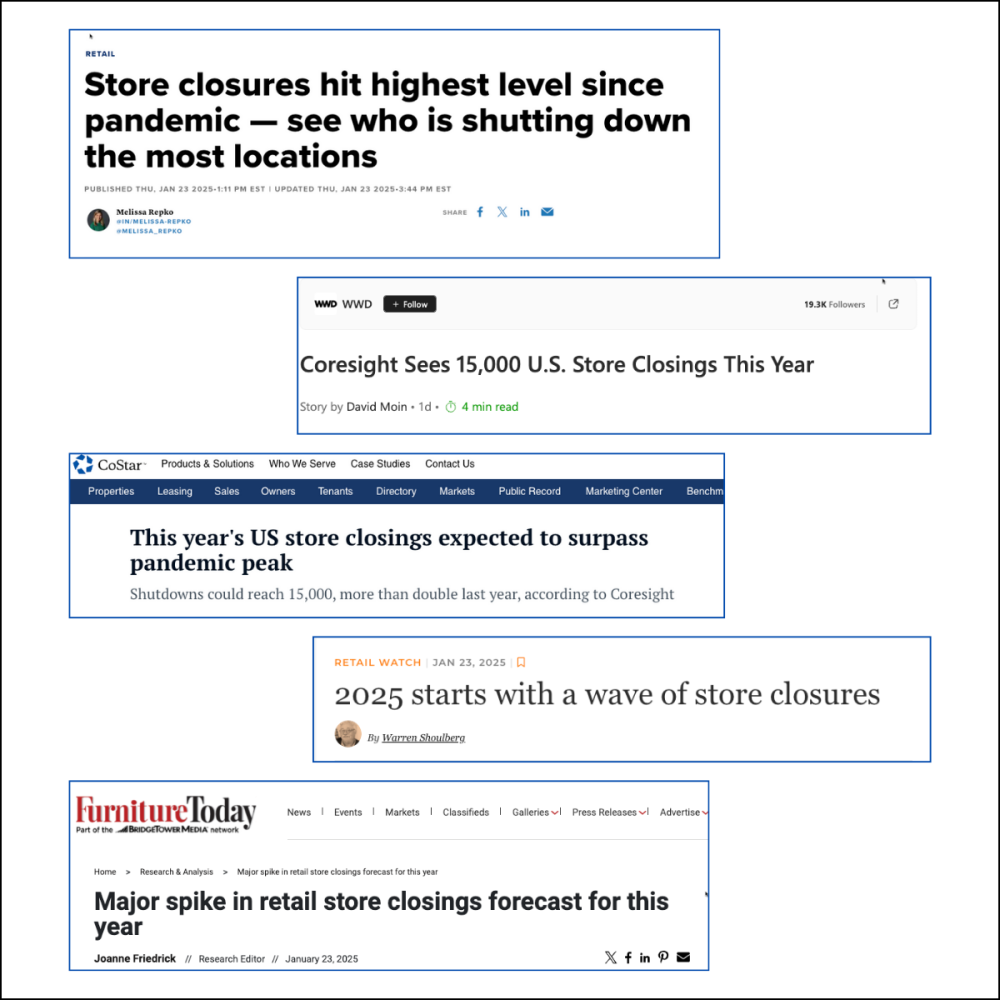
So many store closings, the sky is falling, retail could be in trouble, 2025 is going to be even worse, and of course the retail apocalypse is back!
Lets look at the non-headline perspective
- Retail vacancies are low: 4.1% with retail demand surging and very limited new construction.
- Most of the closures are coming from tired chains that have been "on the brink" for years...many since pre-COVID. They never adapted and are now closing stores and/or going away for good.
- Net absorption in strong even with limited space and that space is leasing at an above-average pace.
- Asking rents are up and Landlords are loving the fact that they are getting (most) of this space back as they can charge more rents, adapt the spaces to optimize tenant mix and create a stronger lineup to improve ROI.
- Finally, retail needs the room to thrive. Somewhat related to the first point, retail is a "circle of life" and it needs the strong to replace the weak. This improves results, foot traffic and allows those that need to grow a space to grow.
There is no shortage of competition for many of the closures. And while a lot of this news has positive implications for retail, the headlines would like you to think otherwise. Then again, when has this ever been different. Panic sells!!

IN THE NEWS
Amazon Stores CEO Says AI May Spawn New Retail Formats (subscription access)
"Artificial intelligence (AI) is going to radically transform the retail sector and could result in the creation of new shopping channels, according to Doug Herrington, CEO of Worldwide Amazon Stores."
Increasing Downtown Activity Points to Market Revival
"CBRE global chief economist Richard Barkham said he is convinced a revival is underway in the commercial real estate market and that now is the time for developers and investors to seize the opportunity...Barkham said it could take 18 years to transition obsolete office space into new uses."
CoStar: Service-based brands will be biggest leasers of real estate space in 2025
"foodservice tenants accounted for more than 20% of leasing activity during the first 11 months of 2024."
How retailers are approaching customer experience in 2025
"Retailers at this year’s NRF Big Show showcased how they are putting customer data to use for personalization and loyalty."
Will Global Retail Giants’ Big Bet on American Consumers Pay Off? (subscription access)
"Zara, Uniqlo, Mango and Primark and other European and Asian brands plan to open hundreds of stores in the US in the coming years. They’re hoping American consumers will keep spending — and that they’ll give new labels a try despite having plenty of options."
NOSTALGIC RETAILER SPOTLIGHT:
TEAVANA
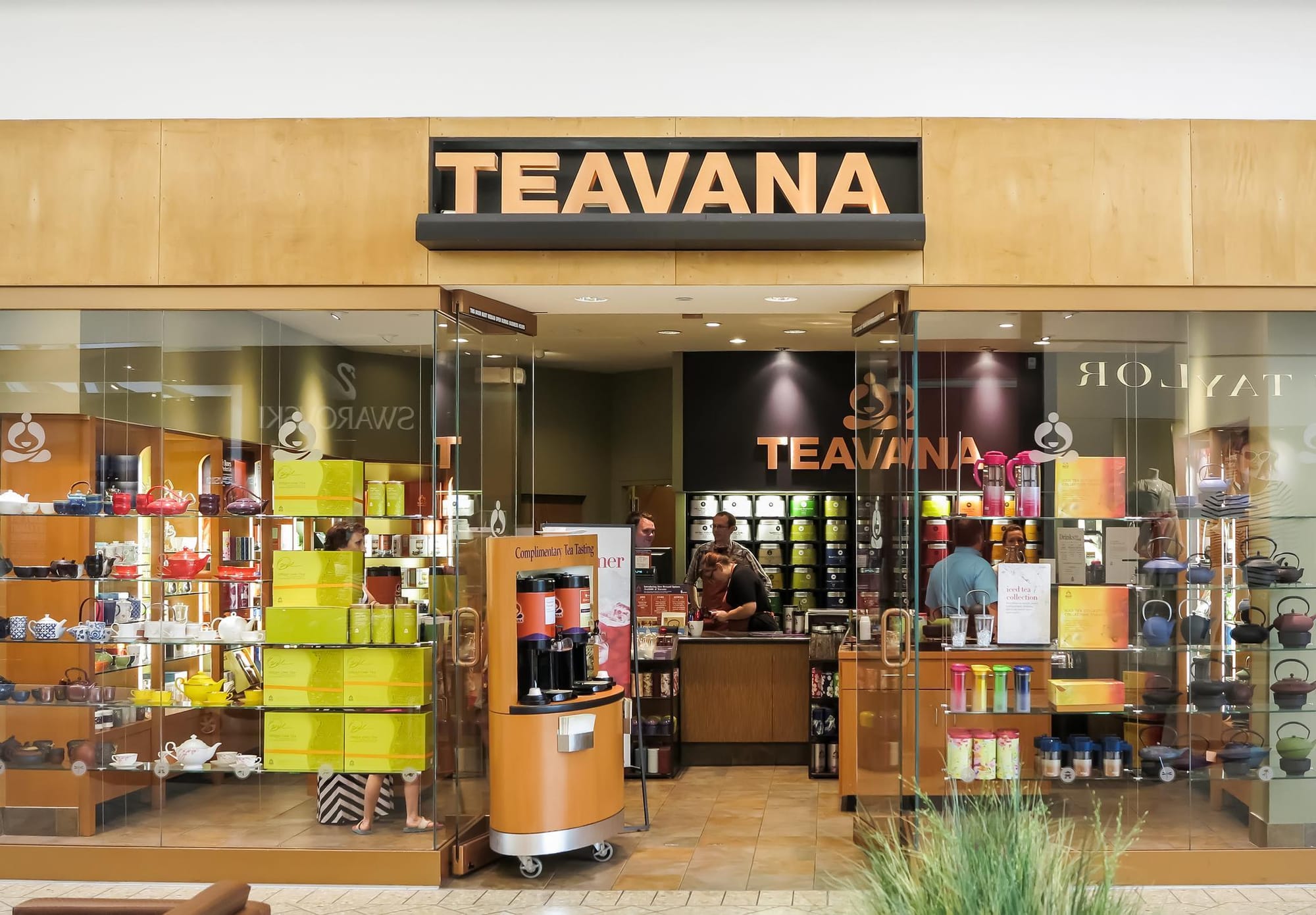
Teavana was an American tea company created in 1997 in Atlanta, Georgia by Andrew T. Mack, and his wife.
After making a splash (grew to 650 stores), especially in the mall world, Teavana was acquired by Starbucks in 2012 for an estimated $620 million.
A short five years later, based on underperforming locations and a loss of luster for the brand, Starbucks announced it would shutter 379 Teavana stores.
That same year (2017) Starbucks was sued by Simon Malls over the closures in the properties arguing closing would reduce traffic to surrounding stores. Simon was victorious in a 2018 court ruling, but Simon and Starbucks reached an agreement that would close the remaining 77 Teavana stores in Simon malls in early 2018 (In 2017, Cadillac Fairview filed suit in Canada for similar reasons).
You can still find Teavana products in your local Starbucks and many other retailers.