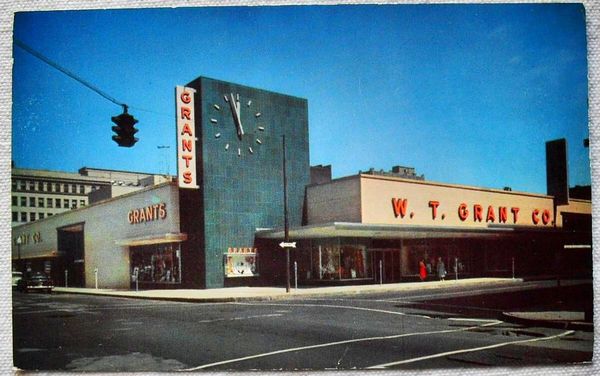
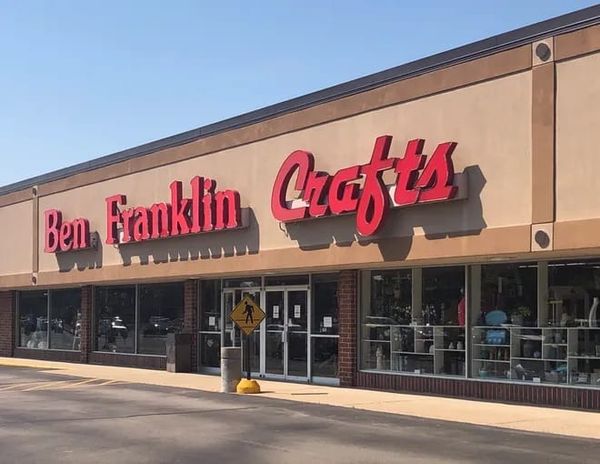
Nostalgic Retail Series #54 - KMART
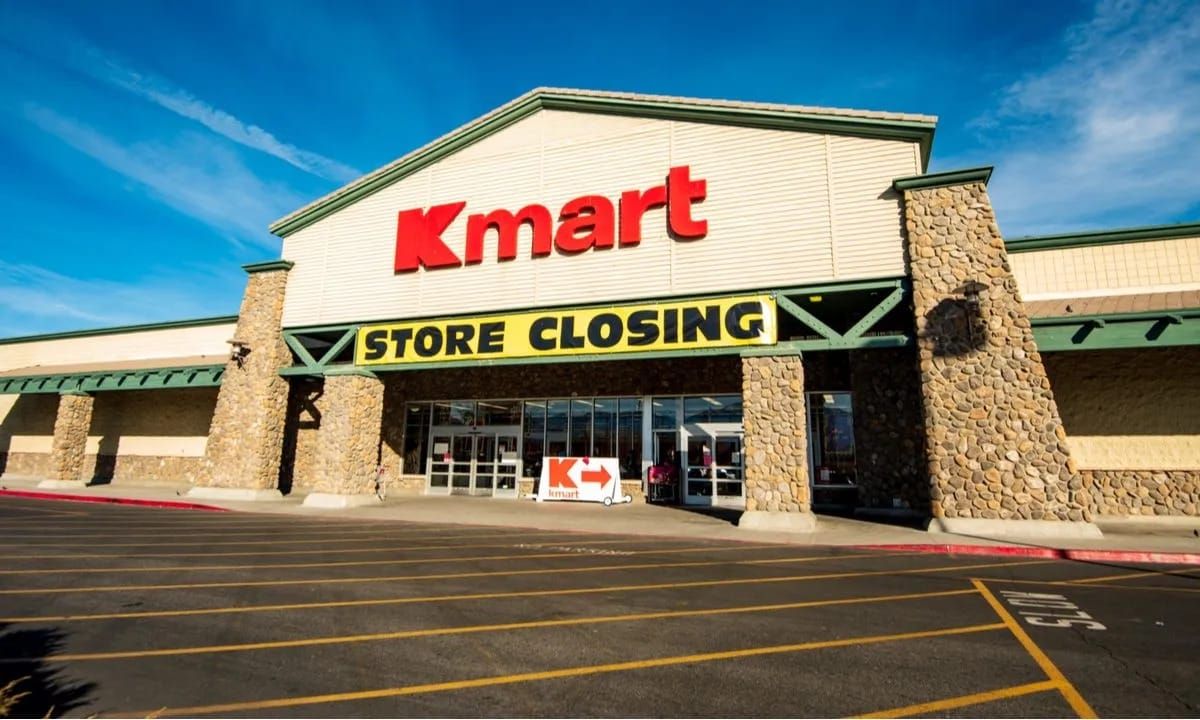
For most of the back half of the 20th century, if you needed motor oil, a Trapper Keeper, and a rotisserie chicken in the same ten minutes, Kmart was where you went.
The blue light special was real. So was the fluorescent hum, the layaway counter, the shoe department carpet that smelled like every other Kmart shoe department in the country. It was the store that was everywhere until, one day, it mostly wasn't.
Timeline:
- 1899: Sebastian Kresge incorporates the S.S. Kresge Corporation, a five-and-dime chain.
- March 1962: The first store carrying the Kmart name opens in Garden City, Michigan. Walmart and Target open their first stores that same year.
- 1977: The company renames itself Kmart Corporation.
- 1994: Peak. 2,486 stores worldwide, including 2,323 discount stores across the U.S.
- January 2002: Files Chapter 11 with 2,114 stores still open.
- 2002 to 2003: Closes 600 of them. Emerges from bankruptcy in May 2003 with roughly 1,500 stores and Edward Lampert as chairman.
- 2005: Kmart Holding Corporation buys Sears for $12 billion and forms Sears Holdings. Combined store count: 3,500.
- October 15, 2018: Sears Holdings files Chapter 11, listing $11.3 billion in liabilities.
- 2019: Lampert's ESL Investments buys the remains out of bankruptcy and renames the parent Transformco.
- October 20, 2024: The Bridgehampton, New York store, nearly 90,000 square feet, closes. The last full-size Kmart on the mainland.
What's left: one store in a Kendale Lakes strip plaza in Kendall, Florida. Kmart handed most of that footprint to At Home in March 2023, and what remains is the old garden department, two rooms, basics only. Nobody is calling it a big box.
What Killed It:
Name the obvious pressure first. Walmart and Target out-executed Kmart on price and store experience for two straight decades. The 2005 Sears merger stapled two declining chains together instead of fixing either one.
The deeper problem was structural. Lampert ran Kmart's real estate and retail operations as separate profit centers. Selling and leasing back stores, spinning off land to ESL-controlled vehicles like Seritage, turned every closing store into a cash event for the parent. The stores that stayed open got starved of the capital that might have kept them competitive.
𝙇𝙖𝙢𝙥𝙚𝙧𝙩 𝙗𝙪𝙞𝙡𝙩 𝙖 𝙗𝙖𝙡𝙖𝙣𝙘𝙚 𝙨𝙝𝙚𝙚𝙩 𝙙𝙚𝙨𝙞𝙜𝙣𝙚𝙙 𝙩𝙤 𝙡𝙞𝙦𝙪𝙞𝙙𝙖𝙩𝙚 𝙆𝙢𝙖𝙧𝙩 𝙤𝙣𝙚 𝙨𝙩𝙤𝙧𝙚 𝙖𝙩 𝙖 𝙩𝙞𝙢𝙚, 𝙖𝙣𝙙 𝙞𝙩 𝙙𝙞𝙙 𝙚𝙭𝙖𝙘𝙩𝙡𝙮 𝙩𝙝𝙖𝙩.
One surviving store in a Miami strip plaza doesn't make Kmart a survivor. It makes Kmart a footnote that reporters can still drive to.
When does a retailer actually die: the day the parent stops reinvesting, or the day the last register closes?