Nostalgic Retail Series #53 - WILSON'S LEATHER
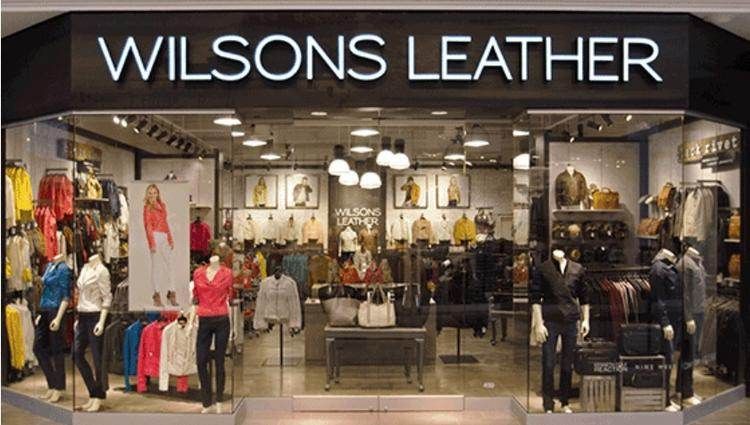
For about twenty years, if you wanted a leather jacket, you went to the mall, and you went to Wilsons.
The smell hit you before the sign did. Racks of bombers and blazers, a wall of gloves by the register, a clearance rack that swelled every February. If you got your first real leather coat in the 90s, there's a decent chance it came from here.
Timeline:
The company was older than almost anyone shopping there realized.
- 1899: The Berman brothers open a fur, wool and hides business in Minneapolis. After WWII it becomes Berman Buckskin, known for fringed jackets.
- 1950: Jerry Wilson opens Wilsons House of Suede in Beverly Hills.
- 1970: Wilson's three sons put themselves in their own TV commercials. Wilsons becomes one of the first apparel retailers to advertise on television.
- 1975: Production moves overseas. Leather gets cheap enough for the middle of the mall.
- 1982 to 1986: Melville Corporation buys both chains and merges them under one name, Wilsons Leather.
- 1997: Now independent, the company goes public with 452 stores.
- 2002: Peak. 763 stores across 46 states and Canada.
Then the slide. 598 stores by early 2004. 453 that October. 411 by 2007. 228 by mid-2008.
In July 2008 the brand name and 116 outlets went to G-III Apparel. The rest of the company renamed itself PreVu, got delisted, and liquidated by October. In 2020 G-III closed the final 110 stores. Wilsons has been a website ever since.
What Killed It:
What killed it was simpler than the ownership carousel makes it look. Wilsons sold one category, and that category was seasonal, easy to copy, and impossible to defend. Once Costco, Kohl's, Target and Walmart started hanging leather jackets on their own racks, the specialty premium disappeared. A mono-category concept with no moat gets commoditized from below, and a mall footprint built for the good years becomes the heaviest line item in the bad ones.
Here's the part that should bother anyone who underwrites retail deals with location data.
Wilsons has had zero operating stores since 2020. Pull it up in the outlet directories today and you will still find about seven "locations" listed across six states. Phantom stores. They sit in the same aggregated feeds a lot of us trust to tell us who actually occupies a corner.
A brand can be dead for five years and still cast a shadow in the data.
If you had to bet: is Wilsons better off today as a trademark with no stores, or would it have survived as a smaller specialty chain that never chased 763 doors?