Loehmann's - #46
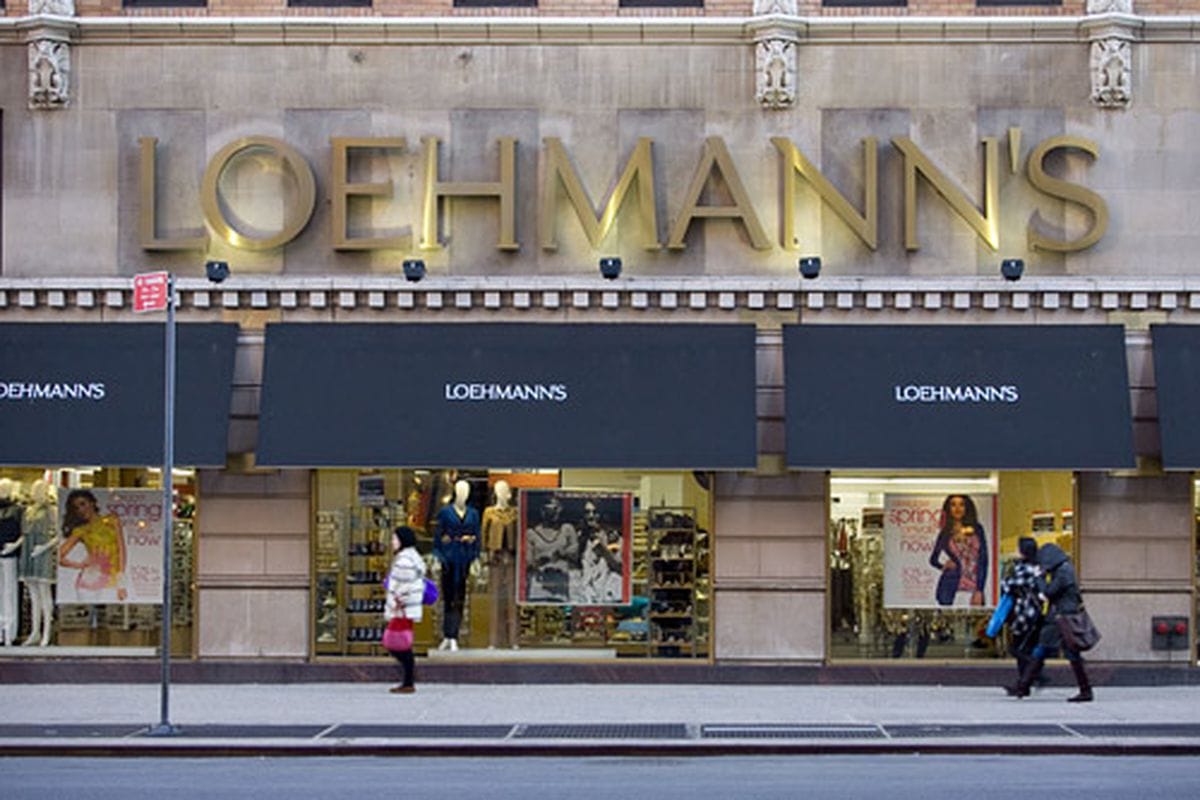
𝘐𝘧 𝘺𝘰𝘶'𝘷𝘦 𝘦𝘷𝘦𝘳 𝘴𝘵𝘳𝘪𝘱𝘱𝘦𝘥 𝘥𝘰𝘸𝘯 𝘵𝘰 𝘺𝘰𝘶𝘳 𝘶𝘯𝘥𝘦𝘳𝘸𝘦𝘢𝘳 𝘪𝘯 𝘢 𝘳𝘰𝘰𝘮 𝘧𝘶𝘭𝘭 𝘰𝘧 𝘴𝘵𝘳𝘢𝘯𝘨𝘦𝘳𝘴 𝘧𝘪𝘨𝘩𝘵𝘪𝘯𝘨 𝘰𝘷𝘦𝘳 𝘢 𝘮𝘢𝘳𝘬𝘦𝘥-𝘥𝘰𝘸𝘯 𝘋𝘰𝘯𝘯𝘢 𝘒𝘢𝘳𝘢𝘯, 𝘺𝘰𝘶 𝘬𝘯𝘰𝘸 𝘦𝘹𝘢𝘤𝘵𝘭𝘺 𝘸𝘩𝘢𝘵 𝘓𝘰𝘦𝘩𝘮𝘢𝘯𝘯'𝘴 𝘸𝘢𝘴.
Frieda Loehmann, a former department store buyer, opens the first store in 1921 in Brooklyn with her son Charles. Her strategy? Pay cash for designer overstock and samples, sell them at deep discounts. No returns. No alterations. Cash only.
𝟭𝟵𝟯𝟬: Charles opens a second location on Fordham Road in the Bronx. The model spreads.
𝟭𝟵𝟲𝟮: Frieda dies at 88. The company goes public in 1964 and begins aggressive expansion beyond New York.
𝟭𝟵𝟴𝟯-𝟭𝟵𝟴𝟴: Ownership carousel begins. Associated Dry Goods acquires them. May Department Stores absorbs Associated. May sells to a Spanish investor group.
𝟭𝟵𝟵𝟵: Peak at ~100 stores. First bankruptcy filing.
𝟮𝟬𝟭𝟬: Second bankruptcy.
𝟮𝟬𝟭𝟯: Third bankruptcy. This time, no comeback.
𝟮𝟬𝟭𝟰: All 39 remaining stores liquidated. 93 years of retail history, gone.
𝟮𝟬𝟮𝟱: Century 21 acquires the brand and launches pop-up sales. The treasure hunt lives on... sort of.
𝗪𝗵𝗮𝘁 𝗠𝗮𝗱𝗲 𝗟𝗼𝗲𝗵𝗺𝗮𝗻𝗻'𝘀 𝗦𝗽𝗲𝗰𝗶𝗮𝗹:
𝘛𝘩𝘦 𝘉𝘢𝘤𝘬 𝘙𝘰𝘰𝘮. That's where the real finds were. Calvin Klein. Armani. Oscar de la Renta. Labels often cut out to protect designer relationships. You had to know quality by touch, not tag.
𝘛𝘩𝘦 𝘊𝘰𝘮𝘮𝘶𝘯𝘢𝘭 𝘋𝘳𝘦𝘴𝘴𝘪𝘯𝘨 𝘙𝘰𝘰𝘮𝘴. No stalls. No privacy. Just rows of benches and strangers offering unsolicited opinions on whether that blazer fit. It was chaos. It was community. It was a rite of passage.
𝗧𝗵𝗲 𝗡𝗼𝘀𝘁𝗮𝗹𝗴𝗶𝗮:
Loehmann's invented off-price retail before TJ Maxx and Marshalls existed. But they couldn't evolve fast enough. The treasure hunt model that built them became table stakes. When everyone offers 60% off designer, what's your edge?
Frieda Loehmann proved you could build an empire on overstock. Three bankruptcies later, her successors proved you can't coast on legacy alone.