From Experiential to Enjoyment to... Moments?
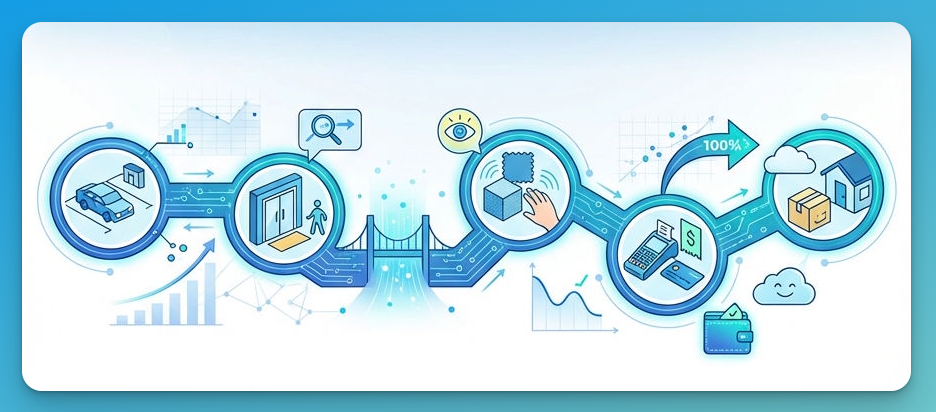
Retail Success Is a Chain Reaction. Data Tells You Where the Links Are Breaking.
I've been saying for a while now that "experiential retail" has become one of the most overused and misunderstood terms in the retail industry.
The brands that succeed don't just create experiences. They create enjoyment. And enjoyment, when you break it down, isn't one big thing. It's a chain of small things done right.
A recent Fast Company article nailed it better than most:
"Brick and mortar retail is a chain of moments. Parking. Entry. Navigation. Discovery. Reading labels. Comparing options. Carrying purchases. Checking out. Opening packaging. Setting up at home. If friction appears in any one of those moments, the chain weakens. Shoppers may not articulate why they abandon a purchase or fail to return to the store. They simply feel that the experience was harder than it needed to be." - Retail 3.0 is designing for real life, Ben Wintner
Read that again.
Retail isn't one experience. It's a series of micro-moments. And each one is either building loyalty and fanaticism or breaking it, often without the consumer even knowing why.
The Moments We're Missing
The Fast Company piece focuses on design and friction, and they're right. But I'd argue the list doesn't go far enough.
Here's what I'd add to the "chain of moments":
- Path to purchase: How intuitive is the journey to the store?
- Touch and feel: Can customers interact with the product in a meaningful way?
- Store service/help: Is assistance and product information available when needed and invisible when it's not?
- Overall store feel: Does the environment match the brand promise?
- Post-purchase reflection: Did the experience live up to expectations once they got home?
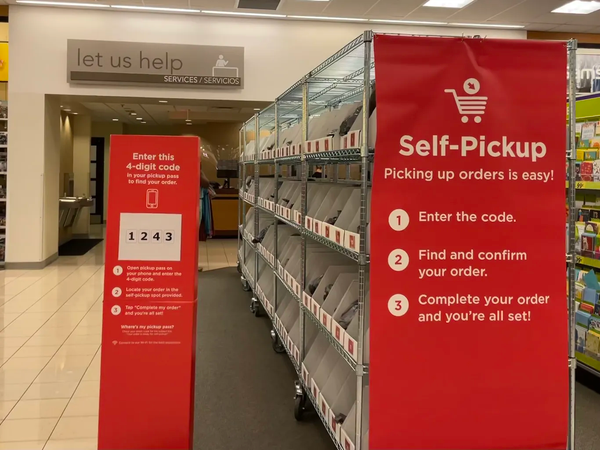
- Transact When/Where the Consumer Is: Is the online and ins-tore experience frictionless enough that the consumer can transact when and where they want to?
Every single one of these moments is measurable. Every single one can be improved. And every single one can be understood through data.
Data: The Demystifier of the Consumer
Here's where this gets interesting for CRE professionals, site selectors, and retail strategists.
We've spent years talking about foot traffic, dwell time, and conversion rates. Those metrics matter. But they're aggregate measures. They tell you what happened, not why.
The next evolution is moment-level data.
First-party data (loyalty programs, transaction history, app engagement) tells you who your customer is and what they've done. It reveals patterns: What do they buy together? How often do they return? Do they browse online before visiting the store? When you layer in survey data or post-purchase feedback, you start to understand how customers felt about the experience, not just what they purchased.
Third-party data (location analytics, demographic overlays, micro-level personas, competitive visitation patterns, etc.) tells you where they came from, where else they shop, and what trade areas actually look like. It can show you that customers visiting your store also frequent a competitor two miles away, or that a significant portion of your traffic originates from a zip code you weren't even marketing to.
When you combine them, you start to demystify the consumer:
- Which moments are causing friction in this store vs. that store?
- Why does one location outperform another with the same format?
- What localized factors (demographics, competition, even parking lot design) are influencing the chain of moments?
But here's the real unlock: data lets you localize insights at the store level.
A national brand might have a consistent format and even similar demographics or personas of visitors, but the customer walking into a suburban power center in Dallas has different expectations than the customer navigating a street-level flagship in Manhattan. The "moments" are technically the same. The friction points are not.
First-party data can tell you that Dallas customers abandon carts at checkout more frequently. Third-party data might reveal that the parking situation creates a time pressure that doesn't exist in Manhattan, where customers arrive on foot and browse longer. Suddenly, you're not guessing why Dallas underperforms. You're diagnosing it.
This is the shift from reactive analytics (what happened last quarter) to prescriptive insights (what should we change in this specific store to improve the next quarter).
The retailers doing this well aren't just collecting data. They're mapping it to moments, identifying friction, and evolving the experience continuously. And they're doing it market by market, store by store.
What This Means for the Industry
For landlords, site selectors, and retail strategists, this shift changes the game.
The retailers winning today aren't just picking good locations. They're optimizing the moments within those locations. And they're using data to do it.
Tenant evaluation is evolving. The question isn't just "Is this a strong brand?" It's "Does this brand understand its moments, and can it adapt them locally?"
Site selection is getting more granular. Trade area analysis now needs to account for friction factors: parking, ingress/egress, co-tenancy that complements rather than competes for attention.
And landlords have a role to play. Common area design, wayfinding, and even the transition from parking lot to storefront are all moments in the chain. Smart landlords are starting to think like retailers.
"Experiential retail" may be the buzzword. I prefer "enjoyment" as it is what separates the winners from the also-rans. But moments, understood, measured, and optimized through data, are the future.
The retailers and CRE professionals who figure out how to map the chain of moments, identify where friction lives, and localize the experience will be the ones who thrive.
Everyone else will keep wondering why customers "just didn't come back."
IN THE NEWS
"The beauty and makeup company, known for its millennial aesthetic, will shutter 9 of its 12 stores as part of an overhaul. Here’s what to know."
Why America Loves This Gas Station (Video)
"Everything’s bigger in Texas—but Buc-ee’s turns “bigger” into a business model. Our road-trip investigation traces the beaver-branded chain from Arch “Beaver” Aplin’s modest 1982 store to today’s 75-thousand-square-foot travel centers with 120 pumps, their own freeway interchanges, and a fan base that gladly detours hundreds of miles just to snap a selfie in front of the cartoon beaver and experience the self-proclaimed “world’s cleanest bathrooms.”"
High-end property deals lead US price recovery
"Market is 'stabilizing rather than surging,' CoStar analyst says"
How tariffs impact commercial real estate
"Tariffs and trade policy uncertainty can impact commercial real estate by increasing construction costs and delaying critical decisions. Find out more about their effects."
America Isn’t Overbuilt—It’s Misbuilt: Rethinking Commercial Real Estate
"For years, the prevailing narrative in commercial real estate has been simple: America is overbuilt. Too many offices. Too many strip malls. Too much supply chasing too little demand. But that diagnosis misses the real problem. America isn’t overbuilt. It’s misbuilt."
Amazon’s New Mega-Retail and Fulfillment Concept Considering Cherry Hill?
"Amazon is developing a new 230,000-square-foot mega retail store concept, which has already received its first approval in Illinois. According to national media outlet Business Insider, an Amazon Cherry Hill NJ location is also being considered for one of the early prototype developments."
Nostalgic Retail Spotlight: CHESS KING
I am currently posting a series on nostalgic retail on LinkedIn and have compiled it all on a website. Want to see what you have missed? Click HERE
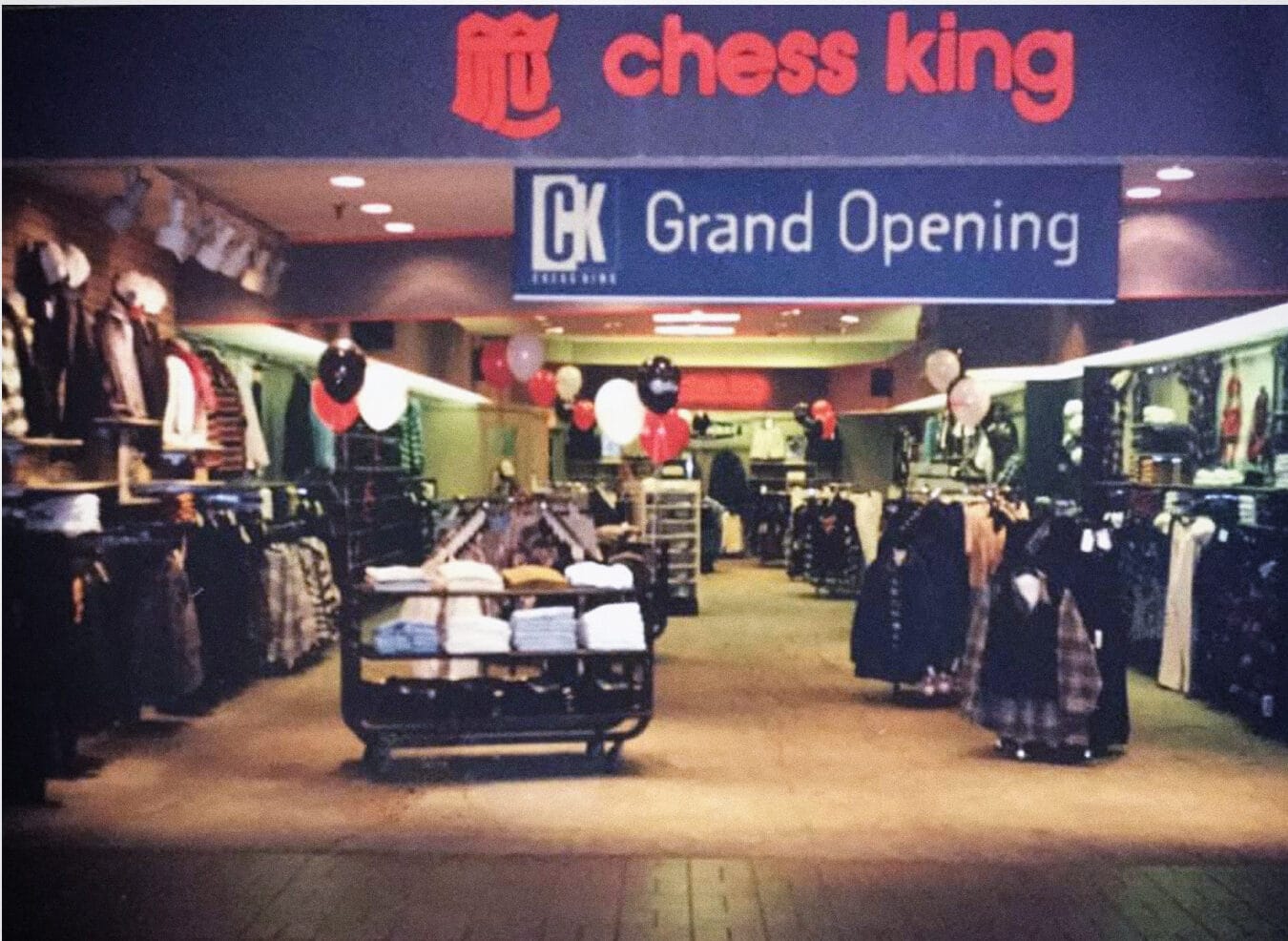
If you walked through any mall in the 80s and left with an acid-washed jean jacket, parachute pants, or a skinny leather tie, you probably know Chess King.
In 1967, traveling salespeople from Melville Corporation's Thom McAn shoe division spotted a gap: young men had nowhere to shop for trendy clothes. Market research found that chess and auto racing were popular among teens. The name wrote itself.
The Timeline:
𝗠𝗮𝗿𝗰𝗵 𝟭𝟵𝟲𝟴: First store opens at Dedham Mall outside Boston.
𝟭𝟵𝟳𝟬: The New York Times describes the concept as "teen-male apparel dress shops with bold coloring and designs aimed at the 12-to-20 male market."
𝟭𝟵𝟳𝟮: 150 locations that became 300 stores by 𝟭𝟵𝟳𝟴.
𝟭𝟵𝟴𝟰: Peak. Over 500 stores nationwide. Chess King is in every mall that matters.
𝗟𝗮𝘁𝗲 𝟭𝟵𝟴𝟬𝘀: Spin-offs launch. "FreeFall" for designer labels. "The B Club" for activewear. "Garage" with 1950s-inspired décor. Attempts to stay relevant as fashion shifts.
𝗠𝗮𝗿𝗰𝗵 𝟭𝟵𝟵𝟯: Melville sells Chess King to Maryland-based Merry Go Round Enterprises.
𝗝𝗮𝗻𝘂𝗮𝗿𝘆 𝟭𝟵𝟵𝟰: Merry Go Round files Chapter 11.
𝗡𝗼𝘃𝗲𝗺𝗯𝗲𝗿 𝟭𝟵𝟵𝟱: All stores closed along with 27 years of retail history.
What Made Chess King Special:
𝘛𝘩𝘦 𝘱𝘳𝘪𝘤𝘦 𝘱𝘰𝘪𝘯𝘵. You didn't need Calvin Klein money to look like you had it. Chess King gave every teenager access to the trends.
𝘛𝘩𝘦 𝘮𝘢𝘭𝘭 𝘱𝘳𝘦𝘴𝘦𝘯𝘤𝘦. Bold storefronts. Loud music. It was designed to pull in young guys who otherwise had no reason to shop.
𝘛𝘩𝘦 𝘪𝘥𝘦𝘯𝘵𝘪𝘵𝘺. Jocks, nerds, preps, bad boys. Chess King had something for everyone. It wasn't trying to be exclusive. It was trying to be everywhere.
The Nostalgia:
Chess King rode the 80s wave perfectly. But when grunge replaced new wave and baggy replaced skinny, the brand couldn't pivot fast enough. The spin-offs were too little, too late.
And then the fatal blow: getting acquired by a parent company already circling the drain. When Merry Go Round collapsed, Chess King went with it.
The lesson? Trend-driven retail is a treadmill. The moment you stop running, you fall off.