Nostalgic Retail Series #51 - CASUAL CORNER
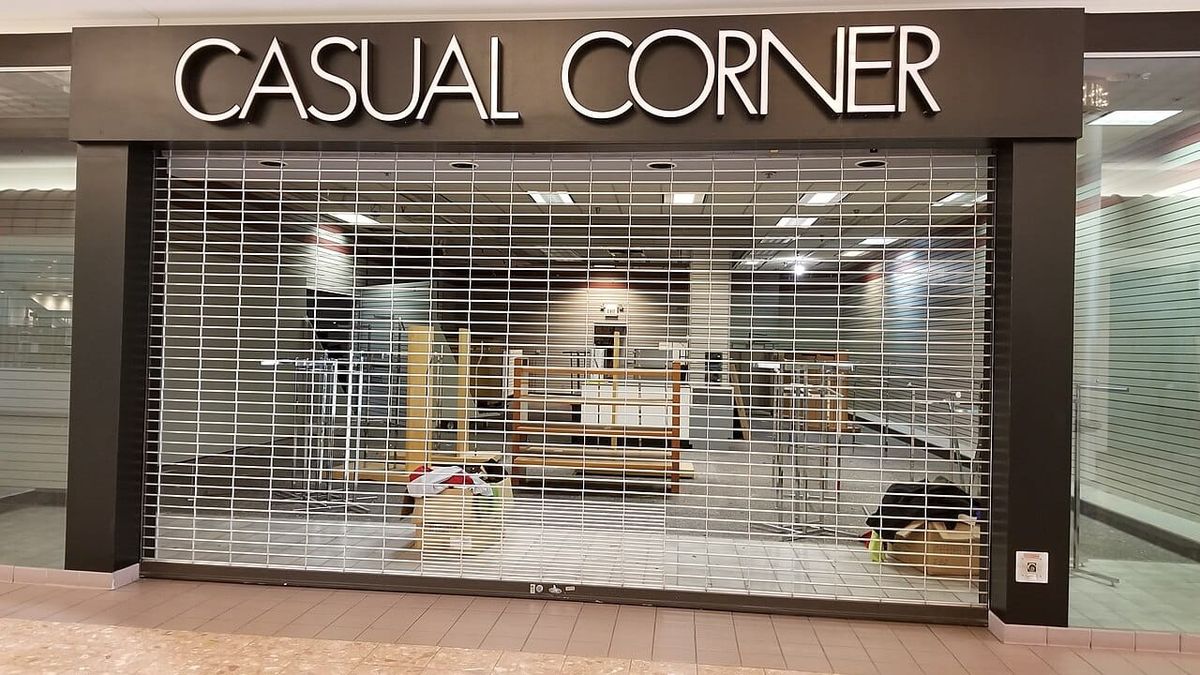
If you had a job interview in 1991, you shopped at Casual Corner first.
The blazer. The coordinated separates. The sales associate who somehow made every woman feel like she was buying exactly what she needed. Casual Corner didn't sell clothes, it sold a version of who you were supposed to be at work.
For two decades, that was a very profitable thing to sell.
Timeline
1950: United Merchants and Manufacturers opens the first Casual Corner in Hartford, Connecticut.
1970𝘴–80𝘴: Aggressive mall expansion. The brand becomes the default answer to "what do professional women wear?" Peak presence: over 500 stores across all three of its nameplates.
1996: Proffitt's Inc. acquires the Casual Corner Group, which by then included Petite Sophisticate, Caren Charles, and August Max Woman — a full portfolio strategy targeting women by size, age, and price point.
2001: Sycamore Partners acquires the group. The private equity era begins.
2005: All Casual Corner and Petite Sophisticate stores close. The other nameplates follow.
What Built It
Casual Corner understood something most retailers still get wrong: the category isn't "clothing" - it's "the decision about what to wear to work." That's a different need. It's anxiety-reduction, not self-expression. Casual Corner solved it with curated coordinates, trained associates, and a clear point of view on professional dress.
The mall was the right channel. The workforce was the right tailwind. Business casual wasn't a trend yet, it was a standard, and Casual Corner owned it.
What Killed It
Not fast fashion. Not e-commerce.
The office dress code collapsed.
When "business casual" went from a defined look to a vague permission slip, and then to a non-requirement entirely, Casual Corner lost its reason to exist. The category it owned disappeared underneath it. You can't out-merchandise a cultural shift.
The portfolio strategy didn't help. Multiple nameplates targeting overlapping demographics diluted focus without meaningfully expanding the customer base.
By the time Sycamore arrived, they weren't buying a turnaround. They were buying time.
My Takeaway
Casual Corner didn't fail because it made bad decisions. It failed because the world it was built for stopped existing.
The dress code wasn't a customer preference. It was an institutional mandate. When institutions stopped mandating, the whole category evaporated.
Every retailer has a version of this risk hiding somewhere. What's the external structure holding your customer behavior in place, and what happens when that structure changes?
Although the physical stores are gone, you can still shop vintage Casual Corner blazers, silk blouses, and dresses through online resale platforms like ThredUp