Bon-Ton - #47
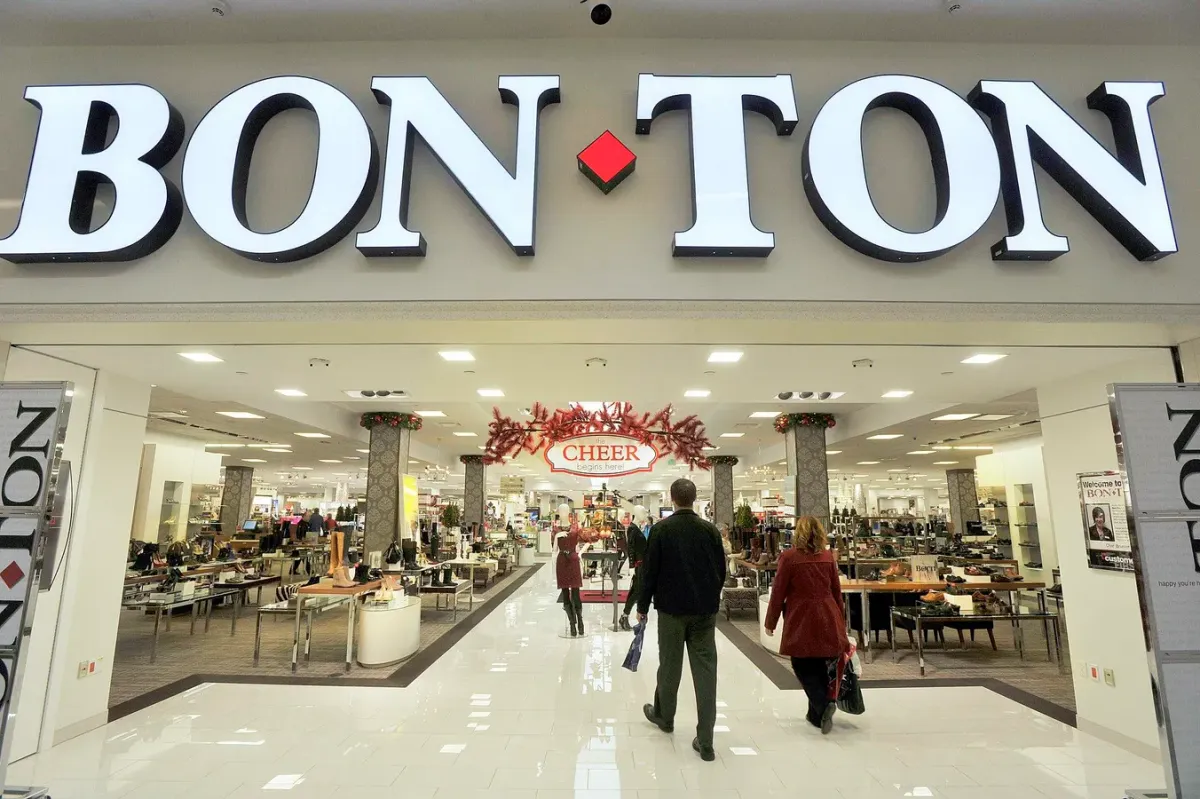
𝙄𝙛 𝙮𝙤𝙪 𝙜𝙧𝙚𝙬 𝙪𝙥 𝙞𝙣 𝙩𝙝𝙚 𝙈𝙞𝙙𝙬𝙚𝙨𝙩 𝙤𝙧 𝙋𝙚𝙣𝙣𝙨𝙮𝙡𝙫𝙖𝙣𝙞𝙖, 𝙮𝙤𝙪 𝙠𝙣𝙚𝙬 𝘽𝙤𝙣-𝙏𝙤𝙣 𝙗𝙮 𝙖 𝙙𝙞𝙛𝙛𝙚𝙧𝙚𝙣𝙩 𝙣𝙖𝙢𝙚. Carson's. Younkers. Elder-Beerman. Bergner's. All the same company. All gone.
The beginning started in 1898 when Max Grumbacher and his father Samuel open a one-room millinery store in York, Pennsylvania.
𝗧𝗵𝗲 𝗧𝗶𝗺𝗲𝗹𝗶𝗻𝗲:
𝟭𝟵𝟮𝟵: The company incorporates. "Bon-Ton" (French for "high society") becomes the brand.
𝟭𝟵𝟰𝟲-𝟭𝟵𝟴𝟳: Steady expansion through adjacent-market acquisitions. The 11-store Pomeroy's chain adds seven new Pennsylvania markets.
𝟮𝟬𝟬𝟯: Bon-Ton acquires the 68-store Elder-Beerman chain. Midwest footprint established.
𝟮𝟬𝟬𝟱: The big bet. $1.1 billion for Saks' Northern Department Store Group: 142 stores including Carson's, Bergner's, and Younkers. The company doubles in size.
𝟮𝟬𝟭𝟭-𝟮𝟬𝟭𝟳: Seven consecutive years without a net profit.
𝗙𝗲𝗯𝗿𝘂𝗮𝗿𝘆 𝟮𝟬𝟭𝟴: Chapter 11 filed.
𝗔𝘂𝗴𝘂𝘀𝘁 𝟮𝟬𝟭𝟴: All 250 stores liquidated and 120 years of retail history.
𝗪𝗵𝗮𝘁 𝗠𝗮𝗱𝗲 𝗕𝗼𝗻-𝗧𝗼𝗻 𝗦𝗽𝗲𝗰𝗶𝗮𝗹:
𝘛𝘩𝘦 𝘩𝘰𝘮𝘦𝘵𝘰𝘸𝘯 𝘪𝘥𝘦𝘯𝘵𝘪𝘵𝘺. Carson's was Chicago. Younkers was Des Moines. Elder-Beerman was Dayton. Each nameplate carried generations of local loyalty.
𝘛𝘩𝘦 𝘮𝘢𝘭𝘭 𝘢𝘯𝘤𝘩𝘰𝘳 𝘱𝘳𝘦𝘴𝘦𝘯𝘤𝘦. In secondary markets where Macy's didn't go, Bon-Ton banners were often the only option.
𝗧𝗵𝗲 𝗡𝗼𝘀𝘁𝗮𝗹𝗴𝗶𝗰 𝗟𝗲𝘀𝘀𝗼𝗻𝘀:
The 2005 acquisition was bold. But absorbing 142 stores while carrying $1 billion in debt left no margin for error. When 2008 hit, the balance sheet couldn't absorb the blow.
And the fundamental problem: Bon-Ton sat in the middle. Not discount enough to win on price. Not premium enough to win on experience. When consumers bifurcated, the middle got crushed.
The Grumbachers built something remarkable from a one-room hat shop. But growth through debt-fueled acquisition without differentiation is a dangerous game.