Discovery Channel - #45
Discovery Channel - #45

šŸ­šŸ²šŸ± š˜€š˜š—¼š—æš—²š˜€. š—§-š—„š—²š˜… š˜€š—øš—²š—¹š—²š˜š—¼š—»š˜€. š—§š—²š—¹š—²š˜€š—°š—¼š—½š—²š˜€. š—Ÿš—¼š˜€š—¶š—»š—“ $šŸÆšŸ¬ š—ŗš—¶š—¹š—¹š—¶š—¼š—» š—® š˜†š—²š—®š—æ.

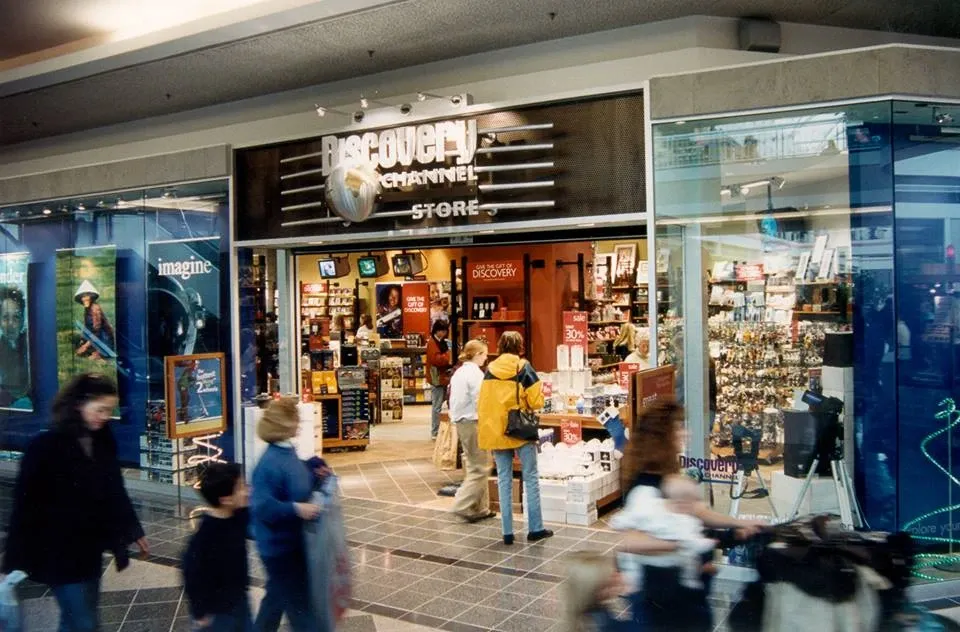
If you walked through a mall in the late 90s, you probably stopped at the Discovery Channel Store. Fossils. Science kits. Nature documentaries on VHS.

Discovery Communications built it as a brand extension. Retail as marketing. It worked. Until it didn't.

š—” š—§š—¶š—ŗš—²š—¹š—¶š—»š—²:

  • 1995: Discovery Channel Store launches with 11 locations.
  • 1996: Discovery acquires The Nature Company's 110 stores for $40 million. Rebranding begins.
  • 1998: 30,000 sq ft flagship opens in Washington, D.C. - T-Rex skeleton, WWII bomber nose, 82-seat theater. $10 million over budget.
  • 2000: Chain peaks at 165 stores. Ranked #1 most trusted brand in America.
  • 2007: š˜‹š˜Ŗš˜“š˜¤š˜°š˜·š˜¦š˜³š˜ŗ š˜¢š˜Æš˜Æš˜°š˜¶š˜Æš˜¤š˜¦š˜“ š˜¤š˜­š˜°š˜“š˜¶š˜³š˜¦ š˜°š˜§ š˜¢š˜­š˜­ 103 š˜³š˜¦š˜®š˜¢š˜Ŗš˜Æš˜Ŗš˜Æš˜Ø š˜“š˜µš˜°š˜³š˜¦š˜“. 1,000 employees laid off; 25% of the company's workforce.

š—Ÿš—²š˜€š˜€š—¼š—»š˜€ š—Ÿš—²š—®š—æš—»š—²š—±:

  • Brand extension doesn't guarantee retail success. Disney and Warner Bros. tried the same playbook. Most failed.
  • $30 million in annual losses couldn't be justified as "marketing spend" forever. New CEO Dave Zaslav was brought in to cut costs. Retail was first on the chopping block.
  • The product was experiential, but the economics weren't. Selling telescopes and fossils at mall rents doesn't scale.

Discovery Channel's online store survived. The airport locations out-lived the mall locations briefly through a partnership with Hudson Group, but met the same fate.
Read more

Chess King - #48

Chess King - #48

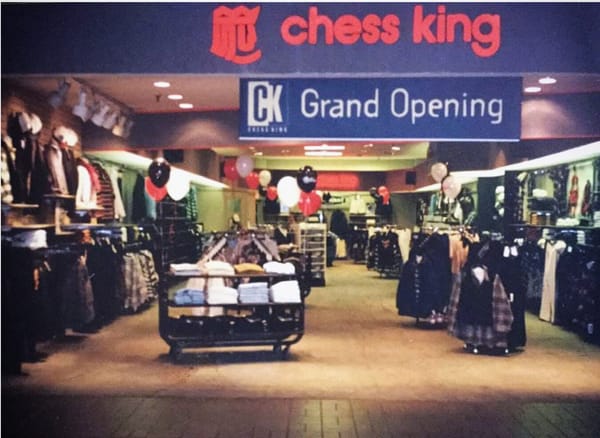
š™„š™› š™®š™¤š™Ŗ š™¬š™–š™”š™ š™šš™™ š™©š™š™§š™¤š™Ŗš™œš™ š™–š™£š™® š™¢š™–š™”š™” š™žš™£ š™©š™š™š šŸ“šŸ¬š™Ø š™–š™£š™™ š™”š™šš™›š™© š™¬š™žš™©š™ š™–š™£ š™–š™˜š™žš™™-š™¬š™–š™Øš™š™šš™™ š™Ÿš™šš™–š™£ š™Ÿš™–š™˜š™ š™šš™©, š™„š™–š™§š™–š™˜š™š™Ŗš™©š™š š™„š™–š™£š™©š™Ø, š™¤š™§ š™– š™Øš™ š™žš™£š™£š™® š™”š™šš™–š™©š™š™šš™§ š™©š™žš™š, š™®š™¤š™Ŗ š™„š™§š™¤š™—š™–š™—š™”š™® š™ š™£š™¤š™¬ š˜¾š™š™šš™Øš™Ø š™†š™žš™£š™œ. In 1967, traveling salespeople from Melville Corporation's Thom McAn shoe division spotted a gap: young men had nowhere to shop for trendy clothes. Market research found that chess and auto racing were popular among teen

Bon-Ton - #47

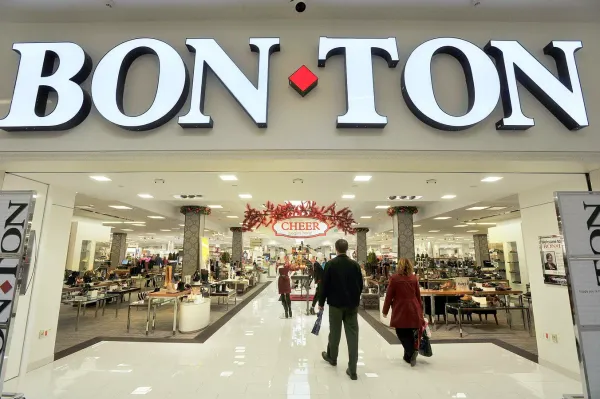
Bon-Ton - #47

š™„š™› š™®š™¤š™Ŗ š™œš™§š™šš™¬ š™Ŗš™„ š™žš™£ š™©š™š™š š™ˆš™žš™™š™¬š™šš™Øš™© š™¤š™§ š™‹š™šš™£š™£š™Øš™®š™”š™«š™–š™£š™žš™–, š™®š™¤š™Ŗ š™ š™£š™šš™¬ š˜½š™¤š™£-š™š™¤š™£ š™—š™® š™– š™™š™žš™›š™›š™šš™§š™šš™£š™© š™£š™–š™¢š™š. Carson's. Younkers. Elder-Beerman. Bergner's. All the same company. All gone. The beginning started in 1898 when Max Grumbacher and his father Samuel open a one-room millinery store in York, Pennsylvania. š—§š—µš—² š—§š—¶š—ŗš—²š—¹š—¶š—»š—²: šŸ­šŸµšŸ®šŸµ: The company incorporates. "Bon-Ton" (French for "high society") becomes the brand.

Loehmann's - #46

Loehmann's - #46

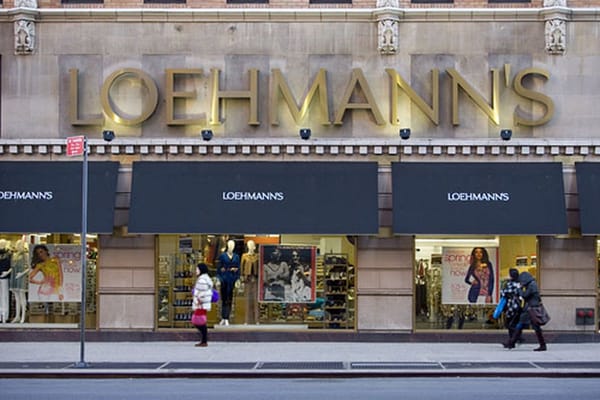
š˜š˜§ š˜ŗš˜°š˜¶'š˜·š˜¦ š˜¦š˜·š˜¦š˜³ š˜“š˜µš˜³š˜Ŗš˜±š˜±š˜¦š˜„ š˜„š˜°š˜øš˜Æ š˜µš˜° š˜ŗš˜°š˜¶š˜³ š˜¶š˜Æš˜„š˜¦š˜³š˜øš˜¦š˜¢š˜³ š˜Ŗš˜Æ š˜¢ š˜³š˜°š˜°š˜® š˜§š˜¶š˜­š˜­ š˜°š˜§ š˜“š˜µš˜³š˜¢š˜Æš˜Øš˜¦š˜³š˜“ š˜§š˜Ŗš˜Øš˜©š˜µš˜Ŗš˜Æš˜Ø š˜°š˜·š˜¦š˜³ š˜¢ š˜®š˜¢š˜³š˜¬š˜¦š˜„-š˜„š˜°š˜øš˜Æ š˜‹š˜°š˜Æš˜Æš˜¢ š˜’š˜¢š˜³š˜¢š˜Æ, š˜ŗš˜°š˜¶ š˜¬š˜Æš˜°š˜ø š˜¦š˜¹š˜¢š˜¤š˜µš˜­š˜ŗ š˜øš˜©š˜¢š˜µ š˜“š˜°š˜¦š˜©š˜®š˜¢š˜Æš˜Æ'š˜“ š˜øš˜¢š˜“. Frieda Loehmann, a former department store buyer, opens the first store in 1921 in Brooklyn with her son Charles. Her strategy? Pay cash for designer overstock and samples, sell them at deep discounts. No returns. No alter