Traditional Retail Trade Area Analysis is Dead
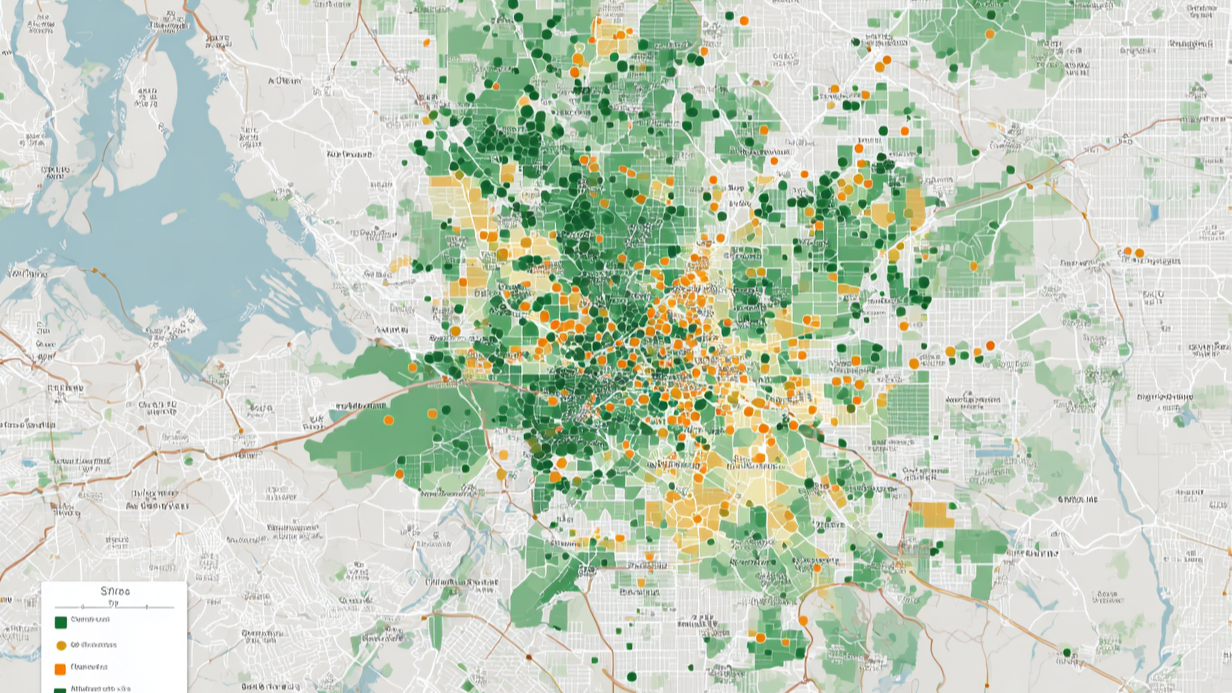
For decades, retail real estate professionals have leaned on trade area analysis as a compass for site selection, portfolio strategy, and market forecasting. Draw a circle around a store location, count the rooftops, layer in some demographic data, and voilà, instant insight. But today, that map is outdated and will miss the mark.
Pieces of a Puzzle
Traditional trade area analysis is blind to the micro-market trends that actually move the needle in retail performance. Consumer behaviors are shifting at a granular level - think block-by-block, not zip code by zip code. Mobile location data, social sentiment, and hyperlocal events are rewriting the rules of retail traffic and sales, often in ways that a one, three or five-mile radius simply can’t capture.
Radius ring analysis assumes that everyone in that ring is a visitor/customer and that is far from ground truth!
Look at it like a puzzle. Only certain puzzle pieces are valuable within each radius ring as they contain visitors to the location while others don't. And those pieces may change with varying circumstances.
Consider This:
A new fitness studio opens on a side street, drawing health-conscious shoppers who also frequent the nearby juice bar and athleisure boutique. Meanwhile, a pop-up event at a local park temporarily spikes foot traffic at surrounding retailers. These micro-markets ebb and flow in real time, powered by digital word-of-mouth, influencer posts, and even weather patterns. If your analysis stops at census tracts and household counts, you’re missing the full story and ending up with flawed location intelligence.
So, What’s the Alternative?
Embrace dynamic location analytics. Layer anonymized mobile data, transaction histories, local event calendars, weather and more to paint a true picture of where your customers are, and why. Micro-market segmentation lets you spot emerging clusters, identify underserved niches, and optimize marketing spend with more precision.
Seeing the Small Stuff - The Field Truth
Retail success in today’s landscape is about seeing the small stuff. The old trade area playbook won’t cut it. It’s time to zoom in and rethink what “local” really means. "Boots on the ground" becomes just as important (if not more) than data and trade area analysis so you can both understand the local location landscape and catch emerging trends before the data does.
A Word of Caution
AI is hyped and sexy, as are many of the data sets making their way into #CRE these days. Be careful not to become infatuated with the hype and make sure you are limiting the data to the relevant elements. Everything else will junk up the analysis. Sometimes simplicity provides the best answers!
IN THE NEWS
Consumer spending may be up, but so is household debt, a new report from the New York Fed shows
"Household debt rose to $18.39 trillion, and delinquency remained "elevated," the New York Fed said."
Delayed CMBS Resolutions Pile Up, Raising Concerns for Capital Markets
"Maturity drag is reshaping the way lenders and borrowers handle overdue loans."
Current CRE Prices Signal a Market Stuck in Limbo
"Liquidity, or lack thereof, is the main force shaping property prices right now."
The new American shopping mall is less Macy’s, more church, bowling, Barnes & Noble
"But as mall tenants change, some are seeing as much as triple the revenue from former Sears or Macy’s locations from bookstores, grocery stores, and even churches that lease square footage."
Rethinking the grocery journey: Why it’s time to connect, not just compete
"The grocery journey hasn’t just evolved, it’s been fundamentally restructured"
Nostalgic Restaurant Spotlight:
SWEET TOMATOES

Sweet Tomatoes began its journey in 1978 in San Diego, California, with a vision to provide fresh, wholesome food in a welcoming, family-friendly environment. Its all-you-can-eat buffet featured salads, soups, pastas, and baked goods made from scratch. The concept resonated with customers, and Sweet Tomatoes expanded across the country, becoming a favorite for many...until they weren't. Now a comeback is being planned. Read on to learn more!
1980s–1990s: The brand grew steadily, opening new locations nationwide under both the Sweet Tomatoes and Souplantation names.
2000s: Sweet Tomatoes became known for its diverse menu, including customer favorites like Caesar Asiago Salad and Joan’s Broccoli Madness.
2010s: The chain adapted to changing dietary preferences, introducing vegan, vegetarian, and gluten-free options to welcome a broader range of guests.
2020: The COVID-19 pandemic forced Sweet Tomatoes to close all 97 locations and file for bankruptcy. The decision was a difficult one for the company and its loyal customers.
However, in March 2023, ST Three LLC acquired the rights to Sweet Tomatoes, opening the door for a possible comeback. In April 2024, a single Sweet Tomatoes location reopened in Tucson, Arizona, offering the familiar buffet experience that so many missed. (https://www.sweettomatoes.com/)
What’s Next for Sweet Tomatoes?
The Tucson reopening is a significant step for the brand. If successful, it could lead to more Sweet Tomatoes locations opening in the future, creating an opportunity to introduce the salad buffet to a new generation of consumers. Stay tuned!