From LEGOs to Leases: How Kidults Are Changing CRE
𝗔𝗱𝘂𝗹𝘁𝘀 𝗮𝗿𝗲𝗻'𝘁 𝗷𝘂𝘀𝘁 𝗯𝘂𝘆𝗶𝗻𝗴 𝘁𝗼𝘆𝘀. 𝗧𝗵𝗲𝘆'𝗿𝗲 𝗿𝗲𝘀𝗵𝗮𝗽𝗶𝗻𝗴 𝗿𝗲𝘁𝗮𝗶𝗹.
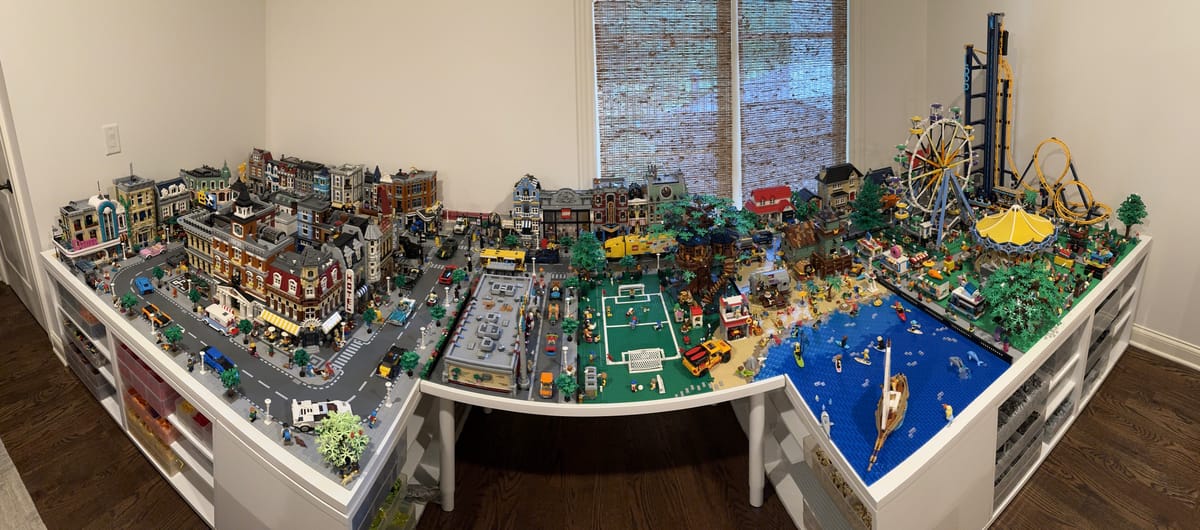
The above photo is my oldest son's (29) lego city, called Bricklanta...a work in progress over the last 15 years. What started as a kid, has become a love of Lego that has lasted long into adulthood. This obsession has even taken over my wife and her bookshelves, with the Lego Botanical collection.
The "kidult" wave is real and it's not slowing down. Adults now account for a significant chunk of toy, collectibles, and gaming purchases. LEGO, Funko, trading cards, retro gaming, and nostalgia-driven merch aren't just for kids anymore. They're driving foot traffic, tenant mix decisions, and real estate strategy.
𝗧𝗵𝗲 𝗖𝗼𝗻𝘀𝘂𝗺𝗲𝗿 𝗧𝗿𝗲𝗻𝗱:
- Millennials and Gen X have disposable income and a deep connection to the brands they grew up with. Nostalgia brings out the "kidult" in these groups, driving them to purchase and collect.
- The pandemic accelerated hobbies (collectibles, gaming, puzzles) and those habits stuck
- Social media turned collecting into community. Unboxing videos, trading groups, and influencer culture fuel demand
- Adults aren't buying for their kids. They're buying for themselves
𝗧𝗵𝗲 𝗥𝗲𝘁𝗮𝗶𝗹 𝗜𝗺𝗽𝗹𝗶𝗰𝗮𝘁𝗶𝗼𝗻𝘀:
- Target, Walmart, and specialty retailers (think Lego) are expanding adult-focused collectibles sections
- Pop culture conventions and enjoyment retail (I don't like the experiential term as I think its overused and lacks true meaning) are thriving. Think Comic-Con energy at the mall or strip center level
- Toy and hobby retailers that pivoted toward adults (Five Below, GameStop's collectibles push, specialty card shops) are finding new life...and this includes book stores!
- The category is recession-resistant for many consumers. Small indulgences hold up when big-ticket spending pulls back
𝗧𝗵𝗲 𝗥𝗲𝗮𝗹 𝗘𝘀𝘁𝗮𝘁𝗲 𝗔𝗻𝗴𝗹𝗲:
- Landlords are rethinking tenant mix. Hobby shops, card stores, and experiential concepts are filling vacancies left by traditional retail and they are no longer questioning the novelty of these concepts
- Smaller format, high-engagement tenants are gaining favor in lifestyle centers and suburban strips
- These concepts drive repeat visits. Collectors come back weekly, sometimes daily (ask Lego about this one!)
- Co-tenancy matters. Pair a card shop with a coffee shop or a comic store with a bar, and you've got dwell time
𝘛𝘩𝘦 𝘬𝘪𝘥𝘶𝘭𝘵 𝘸𝘢𝘷𝘦 𝘪𝘴𝘯'𝘵 𝘢 𝘧𝘢𝘥. 𝘐𝘵'𝘴 𝘢 𝘥𝘦𝘮𝘰𝘨𝘳𝘢𝘱𝘩𝘪𝘤 𝘴𝘩𝘪𝘧𝘵 𝘸𝘪𝘵𝘩 𝘴𝘵𝘢𝘺𝘪𝘯𝘨 𝘱𝘰𝘸𝘦𝘳. 𝘈𝘥𝘶𝘭𝘵𝘴 𝘸𝘪𝘵𝘩 𝘮𝘰𝘯𝘦𝘺, 𝘯𝘰𝘴𝘵𝘢𝘭𝘨𝘪𝘢, 𝘢𝘯𝘥 𝘵𝘪𝘮𝘦 𝘢𝘳𝘦 𝘴𝘱𝘦𝘯𝘥𝘪𝘯𝘨 𝘪𝘵 𝘰𝘯 𝘵𝘩𝘦 𝘵𝘩𝘪𝘯𝘨𝘴 𝘵𝘩𝘢𝘵 𝘣𝘳𝘪𝘯𝘨 𝘵𝘩𝘦𝘮 𝘫𝘰𝘺.
For retail real estate, the question isn't whether to pay attention. It's whether your tenant mix reflects where consumer dollars are actually going, or at least have the opportunity to go.
IN THE NEWS
2026 Forecast Sees 16% Increase in CRE Investment Activity
"Annual U.S. GDP growth will slow to 2.0% in 2026, with softening labor market conditions and marginally lower inflation averaging 2.5%, CBRE forecasts. Despite these challenges, commercial real estate investment activity is expected to increase by 16% in 2026..."
Can Department Stores Save Themselves?
"BoF Senior Correspondent Sheena Butler-Young and Retail Editor Cathaleen Chen discuss the ongoing struggle of American department stores to remain relevant and what lessons they might learn from their European counterparts."
How Dupe Culture is Challenging Traditional Luxury
"A growing number of direct-to-consumer brands are disrupting the luxury market by offering high-quality alternatives at more affordable prices."
Five shifts that will redefine retail in 2026
"These changes are not five or ten years out. They are already taking shape and will accelerate meaningfully in 2026."
How Americans Shop In 2026 Will Surprise You
"Coming into 2026, consumers are acting differently than what you generally hear. A report from Fetch, a rewards app whose last fundraising valuation was $2.6 billion, based on 12 million daily transactions for a total value of $179 billion, shows some surprising indications about consumer tastes."
Nostalgic Retail Spotlight:
RITE AID

If you grew up in the Northeast or Mid‑Atlantic, Rite Aid was just… there. Flu shots, film developing, late‑night snacks, first jobs.
But behind that familiar blue script was a brutal balance sheet story. Founded by Alex Glass in 1962 in Scranton, PA as Thrift D Discount Center, the chain expanded to over 5,000 stores at its peak.
A Timeline:
- 1970: Lists on the NYSE and starts to scale beyond its home turf.
- 1970s–1990s: Aggressive roll‑up of regional drug chains, building a national footprint via M&A more than organic infill.
- 2007: Acquires Brooks and Eckerd, pushing past 5,000 stores and deepening exposure in the Northeast and Southeast.
- 2010s: Chronic debt and messy integrations collide with a tougher landscape. Attempts to sell large chunks of the chain to Walgreens and later merge with Albertsons stall or shrink under regulatory and shareholder pressure.
- Late 2010s–early 2020s: Opioid litigation, shifting shopper behavior, and years of under‑investment in operations and stores erode relevance.
- 2023: Files Chapter 11, accelerates closures, and exits markets like Michigan and Ohio.
- 2024: Brief emergence with a smaller footprint and big promises.
- 2025: Second bankruptcy and the decision to liquidate and close all remaining stores.
Lessons Learned:
- Debt‑fueled acquisition can buy share, not staying power, if margins and cash flow never catch up.
- Scale on paper is easy. True integration across banners, systems, and assortments is where many roll‑ups quietly (or not so quietly) break.
- Competing with vertically integrated competitors and big‑box players requires more than a “me too” pharmacy approach. You need a clear edge in access, experience, or economics.
- Store network strategy is vital to an expansion and entrenchment plan. Overlapping corners turn into self‑cannibalization on the way up, and pharmacy deserts on the way down.
Today, the only remnant of a once huge chain is the riteaid.com website that says: "All Rite Aid stores have now closed. We thank our loyal customers for their many years of support."