Convenience retail isn't shopping... It's an errands business.
The industry has been obsessed with "experiential retail" for years. Destination shopping. Instagram moments. Dwell time.
Meanwhile, convenience quietly drives more frequent traffic and more opportunities than any experience-driven concept ever will.
The market is recognizing this: In late 2024, SITE Centers spun off its convenience retail portfolio into a new publicly traded REIT: Curbline Properties. The focus? Unanchored, small-format retail properties in high-income areas.
This wasn't a side bet. It was a strategic separation that says: 𝘵𝘩𝘪𝘴 𝘢𝘴𝘴𝘦𝘵 𝘤𝘭𝘢𝘴𝘴 𝘥𝘦𝘴𝘦𝘳𝘷𝘦𝘴 𝘪𝘵𝘴 𝘰𝘸𝘯 𝘴𝘵𝘰𝘳𝘺.
Relevance to today's #CRE story?
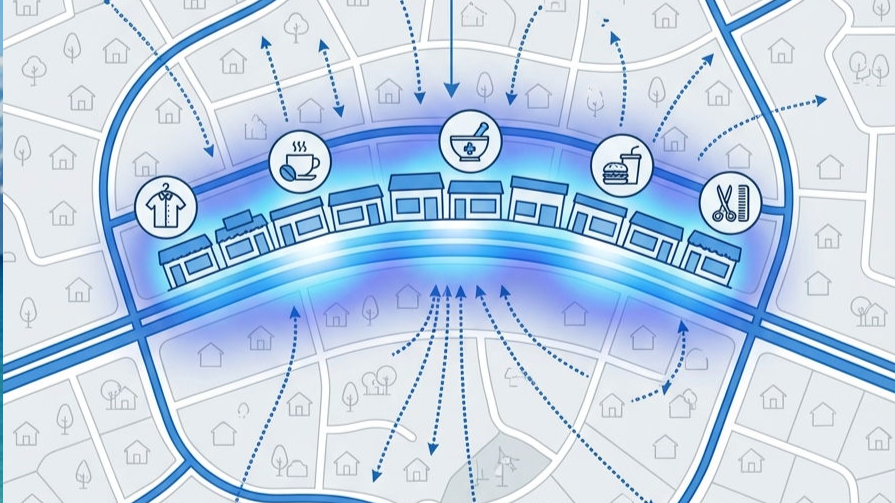
Think about your own week. How often do you make a "destination" shopping trip versus running errands? Dry cleaner. Coffee. Pharmacy. Quick-service food. Haircut.
These aren't overly planned experiences (I hear everyone yelling about haircuts as you read, but I am a guy!). They're habitual patterns. And habitual patterns mean repeat visits, sometimes multiple times per week.
Has Underwriting Caught On?
Most investors and developers still evaluate convenience properties using the same metrics as traditional anchored retail. Convenience retail requires a different lens, and some different data:
- Trip frequency matters more than dwell time
- Adjacency to daily routines (commute paths, residential density) outweighs co-tenancy synergies
- Tenant mix should optimize for errand clustering, not standard cross-shopping
- Smaller footprints in high-income, high-traffic corridors can outperform larger centers with "better" anchor tenants
The shopper isn't asking "where can I spend an afternoon?" They're asking "where can I knock out three things in 15 minutes?"
So What?
From my perspective, SITE Centers was on to something a few years ago. Experiential retail may get the headlines, but convenience retail gets the repeat visits.
If you're underwriting convenience properties like anchored centers, you're missing the value drivers.
Frequency creates opportunity. The dry cleaner visit leads to the coffee stop leads to the quick lunch. That's the ecosystem.
The best convenience properties aren't competing with malls or lifestyle centers. They're competing with friction.
The Data
You know I have to bring data into this somehow. With convenience retailing, data points can be more difficult to grab.
Mobile location data has a harder time with smaller locations and their adjacencies AND convenience relies more heavily on the provider's algorithm given short dwell times.
Path to purchase should be looked at more closely than trade area as the habitual patterns of consumers and how/when they create their personal convenience patterns matter more than what block group or grid they come from.
Finally, demographics and personas are likely to be more varied given that convenience spans more categories and personality traits, but can still be important for core insights.
IN THE NEWS
What retail real estate will look like in 2026
"From Party City to Walgreens to Kohl’s, a number of retailers spent last year closing some—or all—of their doors, while others like Trader Joe’s and Barnes & Noble continued opening new ones."
What’s ahead for grocers in 2026?
"As the industry keeps a close eye on what Kroger and Amazon have up their sleeves, multicultural cuisine is taking on a heightened role as consumers seek out global flavors."
Why specialized brick-and-mortar retailers struggled in 2025
"Here’s a rundown of some major brick-and-mortar shakeups and the effects they’re still having on the industry."
Shoppers are pulling back from e-commerce – here’s why
"Daily online shopping frequency is dropping sharply, falling from 21% to 9% in the past year. The Salsify 2026 Consumer Research report also reveals that brick-and-mortar stores (60%) now outrank online marketplaces (57%) and social platforms (52%) among surveyed consumers for discovery of new products."
"Short answer: No. Long answer …"
Nostalgic Retail Spotlight:
THE LIMITED

𝗢𝗻𝗲 𝘀𝘁𝗼𝗿𝗲. $𝟱,𝟬𝟬𝟬 𝗯𝗼𝗿𝗿𝗼𝘄𝗲𝗱 𝗳𝗿𝗼𝗺 𝗮𝗻 𝗮𝘂𝗻𝘁. 𝗧𝗵𝗲 𝗯𝗶𝗿𝘁𝗵 𝗼𝗳 𝗮 𝗿𝗲𝘁𝗮𝗶𝗹 𝗲𝗺𝗽𝗶𝗿𝗲.
If you shopped at a mall in the 80s or 90s, you knew The Limited. Dark wood. Stained glass. Used brick. The store that made sportswear fashionable for the everyday woman.
Leslie Wexner opened the first location on August 10, 1963, in the Kingsdale Shopping Center in Upper Arlington, Ohio. First day sales: $473. By year's end: $160,000.
The name? "The Limited" came from Wexner's decision to limit his stock to sportswear only - separates that sold quickly and generated fast revenue. His father had told him he'd never be a merchant. He proved him wrong.
𝗔 𝗧𝗶𝗺𝗲𝗹𝗶𝗻𝗲:
- 1963: First store opens in Columbus, Ohio.
- 1969: Goes public with 6 stores. Stock offering: 47,600 shares at $7.25.
- 1976: 100 stores nationwide.
- 1982: Acquires Victoria's Secret for $1 million. Also buys Lane Bryant.
- 1985: Acquires Henri Bendel and Lerner stores.
- 1988: Acquires Abercrombie & Fitch.
- 1990s: The Limited fuels the growth of what becomes L Brands—a retail empire spanning lingerie, beauty, and apparel.
- 2007: Wexner sells 75% of The Limited to Sun Capital Partners.
- 2010: L Brands sells remaining stake. The Limited is fully separated.
- January 2017: 𝘈𝘭𝘭 250 𝘴𝘵𝘰𝘳𝘦𝘴 𝘤𝘭𝘰𝘴𝘦. 𝘉𝘢𝘯𝘬𝘳𝘶𝘱𝘵𝘤𝘺 𝘧𝘪𝘭𝘦𝘥.
𝗟𝗲𝘀𝘀𝗼𝗻𝘀 𝗟𝗲𝗮𝗿𝗻𝗲𝗱:
- The Limited didn't fail under Wexner. It failed after he let it go. Private equity loaded it with debt and stripped its identity.
- Wexner's genius was knowing when to acquire AND when to divest. He spun off Abercrombie, Express, and Lane Bryant when they no longer fit. But The Limited's new owners didn't have that discipline.
- Mall-first strategies without e-commerce infrastructure left the brand exposed when shopping habits shifted.
- Identity matters. The Limited built its reputation on curated sportswear for the professional woman. When that focus blurred, so did customer loyalty.
Today, Sycamore Partners owns the trademark after grabbing it at bankruptcy auction for $26.8 million. The Limited now lives on as an exclusive private label inside Belk stores, a Southern department chain also owned by Sycamore.